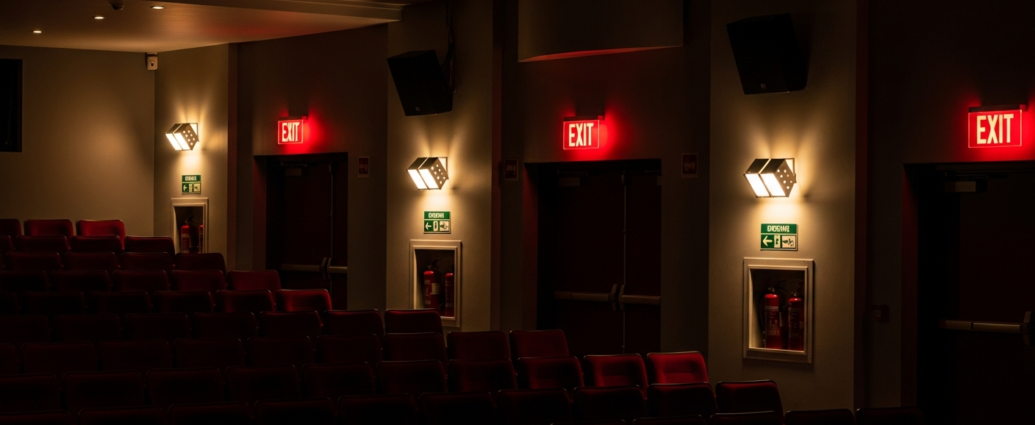
When the lights go out in a packed theater, emergency lighting becomes the lifeline between chaos and safe evacuation. Entertainment venues face unique challenges that go far beyond standard commercial buildings — think multiple levels, complex layouts, and hundreds of people who might not know where the exits are.
The stakes couldn’t be higher. A malfunctioning emergency lighting system during an actual emergency can turn a manageable evacuation into a tragedy. That’s why fire safety compliance isn’t just about checking boxes; it’s about creating systems that work flawlessly when everything else fails.
But here’s the thing: emergency lighting requirements for entertainment venues aren’t straightforward. They involve multiple codes, regular testing schedules, and specific responsibilities that vary by venue type and occupancy load. And if you’re responsible for fire safety in these environments, you need to know exactly what’s required and how to maintain compliance year-round.
Understanding NFPA 101 and Local Code Requirements
The Life Safety Code (NFPA 101) serves as the foundation for emergency lighting requirements in entertainment venues. This isn’t just another regulation to memorize — it’s a comprehensive framework that addresses the specific challenges theaters, concert halls, and production studios face.
For assembly occupancies (which includes most entertainment venues), the code requires emergency lighting in all means of egress. That includes aisles, corridors, stairs, ramps, and exit discharge areas. The minimum illumination level? One foot-candle average with no point falling below 0.1 foot-candles.
But here’s where it gets tricky: local authorities having jurisdiction (AHJs) often add their own requirements on top of NFPA standards. I’ve seen venues that thought they were compliant with national codes get cited during inspections because they missed local amendments.
The testing requirements are equally specific. Monthly tests must verify that emergency lighting activates within 10 seconds and maintains adequate illumination for at least 90 minutes. Annual tests push the system for the full 90-minute duration to ensure battery capacity remains adequate.
Critical Testing Protocols and Documentation
Monthly testing isn’t just a quick check to see if lights turn on. The International Building Code (IBC) requires specific procedures that many venues get wrong. Here’s what actually needs to happen:
First, simulate a power failure by switching off normal lighting circuits (never just flip the emergency test switch — that doesn’t test the transfer mechanism). Document the response time, which must be 10 seconds or less. Then verify illumination levels using a light meter, not visual inspection.
Record everything. And I mean everything. Date, time, who performed the test, which fixtures were tested, any deficiencies found, and corrective actions taken. Missing documentation is one of the fastest ways to fail an inspection, even if your system works perfectly.
The annual 90-minute test is where many systems fail. Batteries that seem fine during monthly 30-second tests often can’t sustain the full duration. Plan these tests during off-hours and have backup power ready — you don’t want to discover problems during a show.
What happens if you find deficiencies? Fix them immediately and document the repairs. Some jurisdictions require notification within 24 hours if critical systems fail testing. Don’t assume you have time to address issues later.
Fire Life Safety Director Responsibilities
In many entertainment venues, especially larger facilities, a Fire Life Safety Director (FLSD) oversees emergency lighting compliance. This role goes way beyond basic maintenance — you’re responsible for ensuring the entire emergency egress system functions as designed.
The FLSD must understand not just what to test, but how different venue configurations affect emergency lighting requirements. A theater with multiple balcony levels needs different considerations than a flat concert hall. Production studios with moveable sets create unique challenges where emergency lighting paths might change based on current configurations.
Training requirements vary by jurisdiction, but most require formal certification. If you’re preparing for certification, a comprehensive fire life safety director practice test can help ensure you understand both theoretical knowledge and practical applications specific to entertainment venues.
Documentation responsibilities extend beyond testing records. The FLSD typically maintains emergency lighting system drawings, battery replacement schedules, and coordination records with local fire departments. You’re also responsible for training venue staff on emergency procedures and ensuring they understand how emergency lighting integrates with overall evacuation plans.
System Design Considerations for Entertainment Venues
Entertainment venues present unique design challenges that standard emergency lighting approaches often miss. Think about it: when’s the last time you saw an office building with stadium seating, catwalks, or backstage areas with constantly changing layouts?
Aisle lighting in theaters requires special attention. The Americans with Disabilities Act (ADA) influences emergency lighting placement, especially for accessible seating areas and routes. Emergency lighting must provide adequate illumination for people with mobility devices to safely navigate during evacuation.
Stage and production areas need different approaches entirely. Work lights that serve as emergency lighting in these spaces must account for equipment that might block traditional fixture placement. I’ve found that venues often overlook emergency lighting for fly galleries, light bridges, and technical areas where staff might be working during emergencies.
Battery backup systems in entertainment venues face unusual demands. High-intensity architectural lighting, moving lights, and sound systems can create electrical noise that affects emergency lighting transfer switches. Proper system design includes isolation and filtering to prevent false activations during normal operations.
Redundancy becomes critical in large venues. Single points of failure that might be acceptable in smaller buildings can be catastrophic when you’re responsible for evacuating thousands of people. Multiple emergency lighting circuits, battery backup locations, and transfer mechanisms help ensure system reliability.
Common Compliance Mistakes and How to Avoid Them
Even experienced venue managers make predictable mistakes that can result in failed inspections or, worse, inadequate emergency lighting during actual emergencies. Here are the ones I see most often:
Skipping illumination level measurements during monthly tests is probably the most common error. Visual inspection isn’t sufficient — you need actual light meter readings to verify compliance with minimum foot-candle requirements.
Another frequent mistake involves temporary installations. Pop-up venues, touring productions, and temporary stages often assume emergency lighting requirements don’t apply to “short-term” installations. Wrong. If people occupy the space, emergency lighting requirements typically apply regardless of duration.
Maintenance scheduling often gets overlooked until inspection time. Battery replacement should follow manufacturer recommendations, not wait until batteries fail testing. Most emergency lighting batteries need replacement every 4-7 years, depending on type and usage conditions.
Failure to update emergency lighting when venues modify layouts is surprisingly common. Add new seating sections, change stage configurations, or install permanent equipment, and you might create new egress paths that need emergency lighting or block existing emergency lighting effectiveness.
Documentation problems plague many venues. Even perfect systems can fail inspections if testing records are incomplete, signatures are missing, or corrective actions aren’t properly documented. Create standardized forms and stick to consistent procedures.
Don’t forget about staff training. The best emergency lighting system won’t help if venue staff don’t understand evacuation procedures or can’t assist patrons during emergencies. Regular training ensures everyone knows their role when emergency lighting activates.