
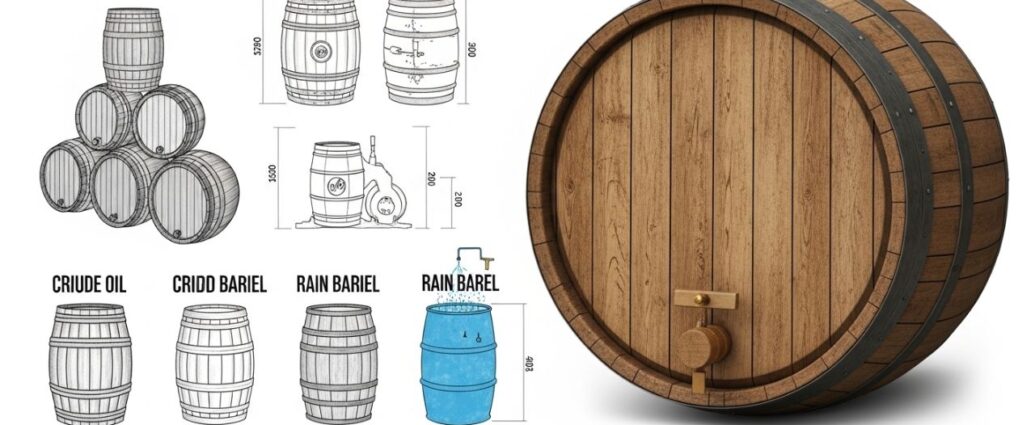
The word barrel is common in many areas of life — from measuring liquids to describing parts of tools and vehicles. Understanding what a barrel is helps us recognize its importance in industries like oil, beer, weapons, and transportation. When people hear the term barrel, they might think of wooden containers, oil production, or even gun parts. But the meaning of barrel goes beyond just a simple container — it’s a unit of measurement, a structural part, and an object with a long history.
In this article, you’ll learn the definition of barrel, the different types of barrels, how they’re used around the world, and interesting facts that reveal just how versatile this term truly is.
What Is a Barrel?
A barrel is typically a large cylindrical container traditionally made of wood, metal, or plastic. Barrels are used to store, transport, and age liquids and sometimes dry goods. They come in various sizes and shapes depending on their purpose.
The basic physical qualities of a barrel include:
-
A cylindrical body
-
Curved sides
-
Flat or slightly convex ends
-
Often bound by metal hoops or bands
Historically, barrels were crafted by coopers — skilled artisans who made wooden barrels using traditional methods. Today, barrels are still used in many industries, though modern manufacturing has introduced metal and plastic versions as well.
The History of Barrel
The concept of the barrel dates back thousands of years. Early civilizations sought strong, durable containers that could hold liquids and solids securely during travel and storage. Wooden barrels became especially useful for:
-
Transporting wine across Europe
-
Storing oils and liquids in merchant trade
-
Aging spirits like whiskey and rum
Barrels were widely used before modern containers like cans and cardboard boxes existed. Because of their durability and stackable design, barrels were essential in trade and commerce long before the Industrial Revolution.
Different Types of Barrels
The meaning of barrel changes slightly depending on how it’s used. Here are the most common types:
Wooden Barrels
These are the classic barrels people often imagine. Traditionally used for:
-
Aging wine
-
Storing spirits like whiskey or rum
-
Transporting liquids
The wood interacts with the liquid inside, affecting flavor — especially in wine and spirits.
Metal Barrels
Often made of steel or aluminum, metal barrels are used for:
-
Shipping chemicals
-
Storing industrial liquids
-
Transporting oil and fuel
Oil barrels are typically made of metal for strength and safety.
Plastic Barrels
These barrels are lightweight and commonly used for:
-
Storing food products
-
Transporting non‑hazardous liquids
-
Industrial storage
Plastic barrels are resistant to corrosion and easy to handle.
Unit Barrels (Measurement)
In industries like oil production, the term barrel also refers to a unit of measurement — not just a physical container. For example:
-
1 barrel of crude oil = 42 U.S. gallons
-
Used worldwide as a standard unit in energy markets
This measurement helps standardize production and pricing across global markets.
Uses of Barrels in Different Industries
A barrel plays a significant role in many sectors. Here are some of the main ways barrels are used:
1. Oil and Energy
In the energy industry, barrels are a key unit of measurement. When people talk about:
-
barrels per day (bpd) — daily oil production
-
oil stocks measured in barrels
they are referring to a standard industry measurement of 42 gallons.
This meaning of barrel influences global economics and energy markets.
2. Alcohol and Beverages
Barrels are critical in producing and aging alcoholic beverages like whiskey, bourbon, tequila, and wine. The wood from the barrel interacts with the liquid to enhance flavor and complexity.
3. Food Storage
Certain food products, like pickles, olives, and sauces, have historically been stored and shipped in barrels due to their durability and large capacity.
4. Transportation and Storage
Barrels are durable containers that can be tightly sealed, making them ideal for transporting large quantities of liquids or dry goods.
5. Weapons and Machinery
In another context, a barrel can refer to a long, cylindrical part of a weapon, such as the barrel of a gun or rifle. In machinery, barrels can also describe rotary components (e.g., in injection molding or drum machines).
Why Barrel Matters
The concept of a barrel is deeply embedded in business, culture, and language. Here’s why the term is meaningful:
Widely Used Unit of Measurement
Especially in oil and energy markets, using barrels as a standard unit allows companies and governments to communicate consistently about production and consumption.
Cultural Impact
Barrels have shaped traditions — especially in the world of spirits and winemaking. The aging process in wooden barrels is a respected craft that produces globally celebrated beverages.
Industrial and Practical Applications
Barrels are still used in shipping, storage, and manufacturing, highlighting their practicality even in modern industries.
Barrel vs. Other Containers
Understanding how a barrel differs from other containers offers perspective:
| Container | Typical Material | Primary Function |
|---|---|---|
| Barrel | Wood/Metal/Plastic | Storage & transport of liquids/dry goods |
| Drum | Metal/Plastic | Industrial storage & chemicals |
| Tank | Metal/Concrete | Large‑scale liquid containment |
| Cask | Wood | Aging beverages |
| Bottle | Glass/Plastic | Smallscale liquid storage |
Each container has specific uses, but the barrel remains unique due to its historical heritage and broad applicability.
Barrel in Everyday Language
Barrel has also made its way into everyday expressions:
-
“Barrel down” — to move quickly or forcefully
-
“Full barrel” — meaning something at capacity
These expressions demonstrate how the idea of a barrel influences language beyond physical objects.
Interesting Facts About Barrels
Here are some fun facts about the word barrel:
-
The term comes from the Old French baril, meaning “a cask for liquids.”
-
B arrel aging is essential in whiskey production, and many distilleries reuse barr els multiple times.
-
Wooden bar rels can be lighter and stronger than straight‑sided containers because the curved shape distributes pressure evenly.
-
In medieval times, bar rels were the primary transport containers for sea voyages.
These facts show how bar rels remain relevant across history and industries.
Conclusion
The concept of a b arrel — whether as a container, a unit of measurement, or a machine component — plays an important role in multiple areas of life and industry. From oil markets to winemaking, barrels continue to be practical, culturally significant, and historically rich.
Understanding the many meanings of ba rrel helps you recognize its broad impact, whether you’re converting oil quantities, storing beverages, or simply exploring language and culture.