
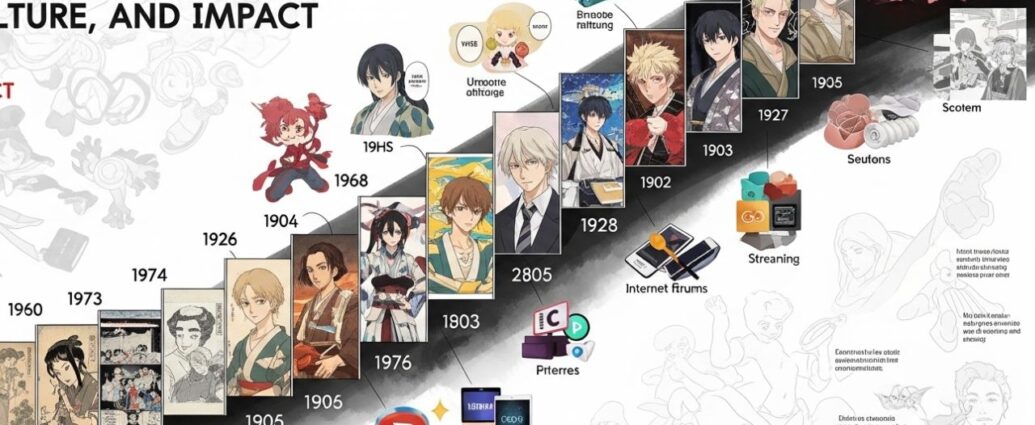
Hentai is a term widely recognized in global pop culture, referring to a specific genre of Japanese animated and illustrated content. Although often associated with explicit themes, hentai represents more than adult material—it is a cultural phenomenon that has influenced art, media, and the international perception of Japanese animation. Understanding hentai requires examining its origins, evolution,artistic style, and the cultural factors that contributed to its rise.
The Origins of Hentai
The term “hentai” literally means “perverse” or “abnormal” in Japanese. Historically, it began appearing in early 20th-century literature and manga, often depicting adult themes in a humorous or exaggerated fashion. Early Japanese artists experimented with sexual and erotic themes long before the genre gained international recognition. Hentai, in its earliest forms, was less about explicit content and more aboutchallenging societal norms through visual storytelling.
Hentai in Manga and Anime
Hentai primarily exists in two formats: manga (printed comics) and anime (animated works). In manga, hentai explores a wide range of adult scenarios and character archetypes. Artists use detailed illustration techniques to evoke emotion, fantasy, and narrative depth. Anime adaptations often bring these stories to life through animation, sound, and music. Despite controversies, hentai has fostered a thrivingsubculture with dedicated fanbases, conventions, and online communities.
Art and Style in Hentai
Artistic style is a critical aspect of h entai. Most works are characterized by highly detailed characters, exaggerated expressions, and imaginative settings. Hent ai artists often combine traditional Japanese art techniques with modern illustration styles, creating visually striking works. Understanding the artistry behind h entai highlights the genre’s creativity and technical skill, showing that it is more than mereadult entertainment—it is a form of visual storytelling.
Cultural Impact of Hentai
Hen tai has influenced global pop culture, particularly in the fields of anime, gaming, and internet culture. It has contributed to discussions on freedom of expression, censorship, and the role of fantasy in media. While controversial, h entai has also inspired mainstream anime creators to experiment with narrative and visual storytelling, blurring the line between adult content and artistic expression.
Controversies
The genre of he ntai is not without its controversies. Critics argue about its ethical implications and potential influence on viewers. Legal restrictions vary between countries, reflecting cultural attitudes toward explicit content. Despite these concerns, hent ai continues to thrive as a subculture, partly because it pushes artistic boundaries and challenges societal norms regarding sexuality and fantasy.
Modern Trends in Hentai
The modern era of hen tai sees the genre branching into digital formats, such as online manga, streaming platforms, and virtual reality experiences. Technological advancements have allowed artists to reach global audiences more efficiently, increasing visibility and influence. Online communities and forums also encourage fan engagement, reviews, and discussions, creating a participatory culture around hen tai.
Conclusion:
H entai is more than just a genre of adult entertainment—it is a complex cultural phenomenon. From its historical roots in Japanese art to its modern digital presence, hen tai has influenced global perspectives on animation, storytelling, and fantasy. While controversial, it offers a lens into human creativity, societal norms, and the evolution of media. Appreciating he ntai from a cultural and artistic standpoint allows for a deeper understanding of its enduring impact.