
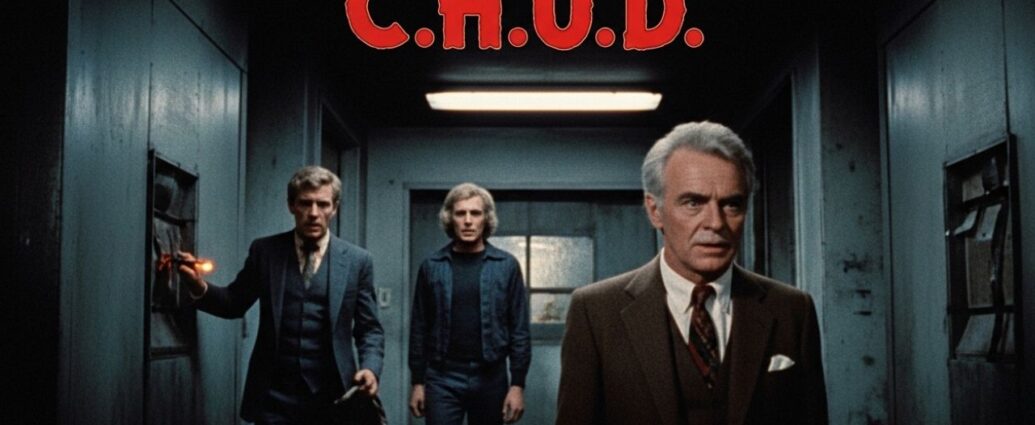
C.H.U.D. (Cannibalistic Humanoid Underground Dwellers) is a 1984 cult horror film that combines elements of science fiction, social commentary, and classic monster scares. Directed by Douglas Cheek, the movie tells the story of grotesque, mutated creatures living beneath the streets of New York City, preying on unsuspecting citizens.
Over the years, C.H.U.D. has gained a cult following thanks to its unique premise, dark humor, and satirical take on urban life in the 1980s. Despite mixed reviews upon release, it remains a significant piece of horror cinema, influencing films, TV, and pop culture references for decades.
Plot Summary
The story of C.H.U.D. follows a group of unlikely heroes who uncover a horrifying secret beneath New York City: monstrous, cannibalistic creatures dwelling in abandoned sewers and tunnels. These creatures, the C.H.U.D.s, were created by toxic waste exposure and represent both a literal and metaphorical decay of the urban environment.
As citizens begin disappearing mysteriously, a police officer and a photographer work together to uncover the truth. The film mixes suspense, horror, and dark comedy while exploring the social neglect and environmental issues plaguing the city.
Key Characters
-
George Cooper (John Heard): A police officer investigating the disappearances caused by the C.H.U.D.s.
-
Tracy (Daniel Stern): A photographer who becomes involved in the investigation.
-
Dr. Susan Massingale (Christopher Curry): A scientist who provides insight into the origins and biology of the underground dwellers.
Each character contributes to the story’s mix of horror and social commentary, offering perspectives on crime, urban decay, and human irresponsibility.
Themes and Social Commentary
While C.H.U.D. is often remembered for its horror elements, it also contains deeper messages:
1. Urban Decay
The film depicts New York City in the 1980s as a dangerous, neglected urban environment. The C.H.U.D.s themselves symbolize the consequences of social and infrastructural neglect.
2. Environmental Pollution
The monsters’ mutation is caused by exposure to toxic waste, highlighting fears about chemical dumping, contamination, and human disregard for environmental safety.
3. Class Struggle
By placing the horrors of the C.H.U.D.s beneath the city streets, the film metaphorically explores the divide between the affluent aboveground society and the marginalized living below.
Horror Elements and Special Effects
C.H.U.D. relies on practical effects and makeup to bring its monsters to life. The underground dwellers are grotesque, with exaggerated features and horrifying designs that make them both scary and memorable.
The film’s suspense comes from tension-building scenes, dark tunnels, and the sense of lurking danger in every shadow. The combination of horror, sci-fi, and social satire makes it a unique entry in the 1980s monster movie genre.
Legacy and Cult Following
Despite a modest box office performance, C.H.U.D. gained a cult following due to its:
-
Unique and memorable premise
-
Darkly humorous dialogue and satire
-
Influence on later horror and sci-fi films
It has inspired sequels, comic books, and even references in music and video games. Fans celebrate C.H.U.D. for its campy charm, social commentary, and status as a quirky yet iconic horror movie.
Fun Facts About C.H.U.D.
-
The title is an acronym for Cannibalistic Humanoid Underground Dwellers.
-
The film inspired other underground monster movies and pop culture references.
-
Many practical effects were created using foam latex and prosthetics, common techniques in the 1980s.
Conclusion
C.H.U.D. stands out as a horror film that combines suspense, social commentary, and memorable monsters. Its depiction of urban decay, environmental hazards, and cannibalistic dwellers beneath the city streets makes it a unique and enduring piece of 1980s cinema.
Even decades later, the movie remains a cult classic, entertaining audiences while providing a satirical lens on urban life and human negligence.