
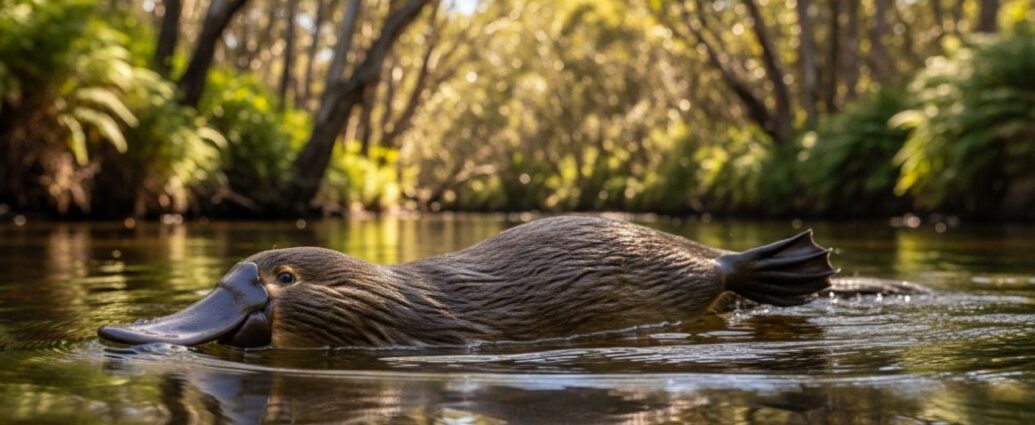
The platypus (Ornithorhynchus anatinus) is one of the most extraordinary mammals in the world. Native to eastern Australia and Tasmania, it combines traits of mammals, birds, and reptiles. With a duck-like bill, webbed feet, beaver-like tail, and egg-laying abilities, the platypus has puzzled and fascinated scientists for centuries. This semi-aquatic mammal offers insight into evolutionary biology, adaptation, and the delicate ecosystems of Australia’s freshwater rivers and streams.
Taxonomy and Classification
The platypus belongs to the order Monotremata, which includes only egg-laying mammals such as echidnas. It is the sole living member of the family Ornithorhynchidae, representing a lineage that has survived for millions of years. Unlike most mammals, the platypus lays eggs and produces milk without nipples, making it an evolutionary marvel.
Physical Characteristics
Duck-Bill and Electroreception
The platypus is famous for its broad, flat bill, equipped with electroreceptors. These receptors detect electrical signals produced by the muscle contractions of prey, allowing the platypus to hunt underwater with its eyes, ears, and nostrils closed.
Webbed Feet and Tail
Platypuses have webbed feet, making them excellent swimmers. The front feet are fully webbed for propulsion, while the back feet aid in steering and movement on land. Their flat, fur-covered tails store fat and provide balance while swimming.
Size and Fur
Adult platypuses measure 43–50 cm (17–20 inches) and weigh 0.7–2.4 kg (1.5–5.3 lbs). Their dense brown fur provides insulation in cold water, while the streamlined body enables agile movement in rivers and streams.
Habitat and Distribution
Platypuses inhabit freshwater rivers, streams, and lakes across eastern Australia and Tasmania. They prefer areas with clean water, stable banks for burrows, and abundant aquatic prey. Platypus burrows are often elaborate, with nesting chambers for eggs and resting areas.
Diet and Feeding Behavior
Platypuses are carnivorous, feeding primarily on aquatic invertebrates, insects, worms, and small crustaceans. Using their sensitive bills, they locate prey while foraging underwater. Food is stored in cheek pouches during dives to be consumed at the surface.
Reproduction and Life Cycle
Egg-Laying Mammal
Platypuses are among the few mammals that lay eggs. Females lay 1–3 eggs per breeding season, incubating them in burrows for about ten days. The hatchlings are blind, hairless, and rely entirely on the mother for nourishment.
Milk Without Nipples
Female platypuses secrete milk through mammary gland openings on their skin. The young lap milk from the mother’s fur, a unique adaptation among mammals.
Adaptations and Unique Features
-
Electroreception: Detects prey in murky water.
-
Venomous Spur: Males have a venomous spur on their hind legs, used in territorial fights.
-
No Stomach: Food passes directly from the esophagus to the intestines.
-
Aquatic Specialization: Strong swimming abilities and fat storage in the tail aid survival.
These adaptations make the platypus a highly specialized and unique mammal.
Conservation Status
The platypus is classified as Near Threatened due to habitat loss, water pollution, and climate change affecting river systems. Conservation efforts focus on protecting freshwater ecosystems, monitoring populations, and preserving natural habitats.
Cultural and Scientific Significance
Discovered by Europeans in the late 18th century, the platypus was initially thought to be a hoax due to its unusual combination of features. Today, it symbolizes Australia’s unique biodiversity and serves as a valuable species for studies in evolution, sensory biology, and ecology.
Conclusion
The platypus remains one of nature’s most intriguing creations, combining bird-like, reptilian, and mammalian traits in a single species. Its egg-laying abilities, electroreceptive hunting, and aquatic adaptations make it an evolutionary marvel. Protecting this remarkable mammal and its habitat is essential for maintaining biodiversity and studying one of the most unusual mammals on Earth.