
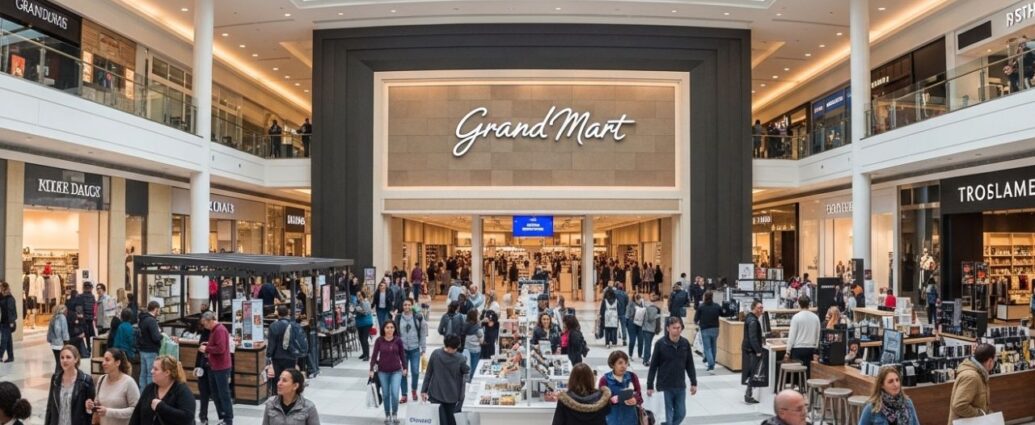
Target was founded in 1902 as the Dayton Dry Goods Company in Minneapolis, Minnesota. Initially, it focused on department store retailing and gradually evolved to meet the needs of a growing consumer market. The first official Target store opened in 1962 as a discount retailer, aiming to offer high-quality products at lower prices than competitors.
Growth and Expansion
Over the decades, Target expanded rapidly across the United States, focusing on suburban markets and emphasizing a shopping experience that combined affordability with style. Its expansion strategy included opening large-format stores and introducing private-label brands, which became a cornerstone of its identity.
Target’s Business Model
Retail Strategy
Target operates on a combination of low-cost and value-driven retail strategies. Unlike some competitors that focus solely on discount pricing, Target emphasizes design, quality, and customer experience. This approach is reflected in its store layout, product selection, and marketing campaigns.
Private-Label Brands
A key differentiator for Target is its private-label brands, such as Goodfellow & Co., Up & Up, and Archer Farms. These products provide exclusive offerings that cannot be found at other retailers, helping Target build brand loyalty and differentiate itself from competitors like Walmart or Costco.
Omnichannel Approach
Target has invested heavily in e-commerce, integrating online shopping with in-store pick-up and delivery services. Programs like Drive Up, Order Pickup, and Shipt delivery have positioned Target as a competitive player in the digital retail space, especially during peak online shopping periods like the holiday season.
Product Range at Target
Household and Everyday Items
Target’s product assortment includes household essentials, groceries, cleaning supplies, and personal care products. With a focus on everyday convenience, Target has become a one-stop-shop for many American families.
Fashion and Apparel
Target offers a wide range of clothing and accessories through collaborations with designers and exclusive brands. Collections like Hunter + Target and seasonal capsule lines make fashion accessible to a broad audience.
Electronics and Entertainment
From televisions and gaming consoles to books, movies, and music, Target provides a comprehensive selection of electronics and entertainment products. It also offers tech services like electronics setup and repair in select stores.
Home Decor and Furniture
Target’s home goods section is known for stylish, affordable furniture, decor, and kitchenware. Partnerships with designers and influencers have elevated Target’s reputation as a destination for contemporary and trendy home products.
Innovations in Retail
Sustainability Initiatives
Target has made sustainability a key part of its corporate strategy. Initiatives include reducing greenhouse gas emissions, sourcing sustainable materials, and offering eco-friendly products. Programs like Target Forward demonstrate a commitment to corporate responsibility and environmental stewardship.
Technology Integration
Target uses technology to enhance the shopping experience, including mobile apps, digital coupons, and AI-powered recommendations. These innovations make shopping more convenient and personalized, reinforcing Target’s reputation as a forward-thinking retailer.
Community Engagement
Target invests in communities through charitable programs, educational support, and local partnerships. Its philanthropic efforts help strengthen brand loyalty and demonstrate social responsibility.
Target vs. Competitors
Target competes with several major retailers, including Walmart, Amazon, and Costco. While Walmart focuses heavily on low pricing and volume, Target differentiates itself with design-forward products, exclusive brands, and a more curated shopping experience.
In e-commerce, Target competes with Amazon by offering fast delivery and convenient pick-up options. Its ability to blend online and offline experiences has been a major factor in maintaining customer loyalty.
The Cultural Impact of Target
The “Target Run”
In American pop culture, the phrase “running to Target” has become synonymous with casual shopping excursions. Target is known not just as a retailer, but as a lifestyle destination, influencing consumer habits, social trends, and even interior design and fashion preferences.
Influencer Collaborations
Target has collaborated with numerous designers, celebrities, and social media influencers, creating limited-edition collections that attract media attention and hype. These collaborations have cemented Target’s image as a trend-forward, culturally relevant retailer.
Challenges and Opportunities
Market Competition
The retail landscape is competitive, and Target faces pressure from both physical retailers and onlinegiants. Staying ahead requires innovation, efficiency, and understanding evolving consumer preferences.
E-commerce Growth
As online shopping continues to grow, Target’s investment in digital infrastructure and omnichannel services positions it to capture a larger share of the market, especially among younger, tech-savvy shoppers.
Supply Chain Management
Target has experienced supply chain disruptions in the past, highlighting the need for strong logistics, inventory management, and supplier relationships to meet customer demand consistently.
Future Prospects for Target
Looking ahead, Target is likely to continue expanding its digital presence, introducing more exclusive product lines, and focusing on sustainability. With a strong brand identity, innovative strategies, and loyal customer base, Target remains a major player in the American retail sector.
Target’s ability to adapt to changing consumer behaviors and economic conditions will be critical in maintaining its competitive advantage and cultural relevance.
Conclusion
Target is more than just a discount store; it is an iconic American retail brand that blends affordability, style, and convenience. From its private-label brands to its technological innovations and cultural influence, Target has transformed shopping habits and set new standards for modern retail.
Whether visiting for groceries, fashion, electronics, or home goods, Target continues to provide a comprehensive shopping experience that keeps millions of Americans coming back, proving its enduring place in retail history.