
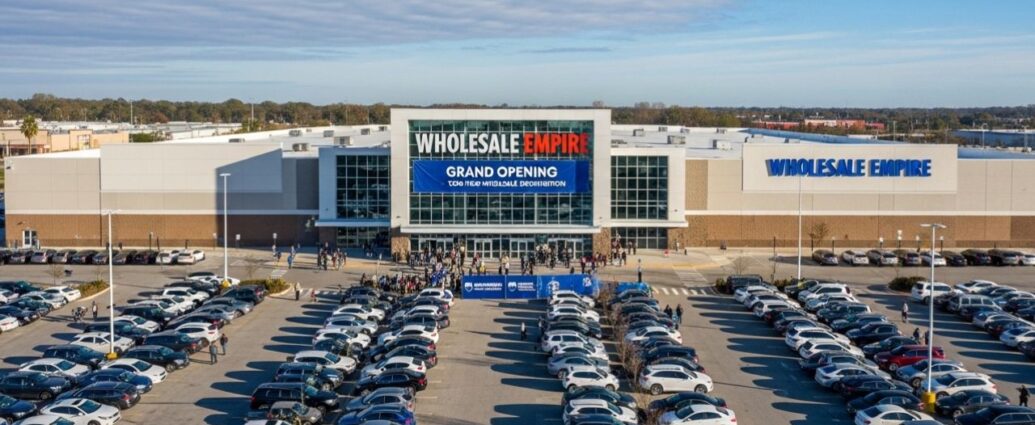
Recently, the retail world has seen a notable shift as a Costco rival launches megastore aimed at challenging the traditional warehouse club model. This development reflects broader trends in consumer demand for bulk goods, flexible membership options, and value‑oriented shopping experiences. As warehouse retail continues to evolve, the launch of these megastores could reshape how customers shop for groceries and household items.
Rise of Alternative Megastore Formats
What It Means When a Costco Rival Launches Megastore
When a Costco rival launches megastore, it introduces a large‑format retail space focused on bulk products, expanded inventory, and competitive pricing — similar to Costco but with key differences. This new model often features optional memberships, wider product ranges, and formats that appeal not just to traditional wholesale club members but also to casual shoppers looking for value and variety.
Entry of Resco Food Service
A notable example of this trend is Resco Food Service, a California‑based grocery warehouse that opened in January 2024 in the City of Industry, near Los Angeles. Often dubbed an “Asian Costco,” Resco stocks over 5,000 items, including Asian groceries, specialty snacks, housewares, produce, and bulk staples — all within a vast warehouse environment.
Membership Deals and Consumer Appeal
Optional Membership Model
Unlike Costco, which traditionally requires a paid membership to shop, some rival megastores offer optional memberships. These low‑cost plans provide discounts and special deals but do not restrict access strictly to members. This approach reduces barriers for first‑time shoppers and broadens the customer base beyond traditional club members.
Low‑Cost Membership Example
For instance, Resco Food Service has promoted a $20 annual membership, giving customers access to member pricing while still allowing walk‑in shopping for the general public. This blend of convenience and savings is a major part of what attracts bargain‑hunters and bulk buyers alike.
What Shoppers Can Expect
Expanded Inventory and Unique Finds
These new megastores are designed with variety in mind. Beyond basic bulk groceries and household staples, shoppers can find international snacks, specialty sauces, oversized produce, and even household goods like rice cookers or gardening supplies. At Resco, for example, quirky global snacks — like unique Lay’s flavors, matcha Kit‑Kats, seaweed chips, and exotic treats — have become photo‑worthy draws for social media influencers and bargain hunters alike.
Modern Shopping Experience
Megastores also incorporate modern retail experiences. Wide aisles, high shelving systems that mimic traditional wholesale clubs, and optional digital or self‑checkout options provide convenience for bulk shoppers. Some even blur the line between traditional retail and warehouse club by combining automated systems with traditional checkout lanes.
Retail Landscape Impacts
Competition with Traditional Warehouse Clubs
As alternatives to Costco’s model emerge, competition is increasing within the retail space. Traditional membership warehouse clubs like Costco, Sam’s Club, and BJ’s Wholesale have long dominated the wholesale sector, but the entry of new formats — especially those with looser membership rules — may pressure them to innovate and adapt.
For example, established rivals like Sam’s Club and BJ’s are expanding store counts and experimenting with new services to retain members and lure new ones. BJ’s continues to grow its physical footprint and offer perks like fuel discounts and curbside pickup, while Sam’s Club enhances its private label offerings and services.
Consumer Benefits and Choices
For consumers, this competition translates into more choices and potentially better prices. With several megastore formats on the rise, shoppers have more options for how they purchase bulk goods — from traditional club memberships to flexiblewalk‑in formats. This helps meet a broader range of lifestyles and budgets.
Broader Retail Trends Driving Expansion
Changing Shopping Behaviors
The growth of megastore alternatives reflects changing consumer preferences. Shoppers increasingly seek value, convenience, and product diversity. The rise of digital shopping, combined with the desire for in‑store experiences where customers can explore unique items, has influenced how wholesale and warehouse retail evolves.
Economic Considerations
Inflationary pressures and cost‑conscious spending have also encouraged bulk‑buying behavior, which benefits warehouse formats offering everyday savings on large quantities. These trends help explain why new competitors believe the market can sustain more than one large or megastore‑style retailer.
Challenges for New Megastore Rivals
Brand Loyalty and Scale
Despite the appeal of new formats, established players like Costco have extensive brand loyalty and scale advantages. With hundreds of locations and millions of members globally, Costco benefits from strong supplier relationships and pricing power that smaller rivals must contend with.
Operational Complexity
Operating a megastore involves logistical challenges, from stocking wide inventories to managing membership services, checkout systems, and customer service. New entrants must focus on efficient operations to remain competitive without sacrificing their value proposition.
Looking Ahead
The wholesale retail sector is entering an interesting phase. With a Costco rival launching megastore formats, shoppers could see a more diversified marketplace where members and non‑members alike enjoy bulk goods at competitive prices. Whether these new models will expand nationally or internationally remains to be seen, but their early success — particularly in areas like greater Los Angeles — suggests they’ve tapped into a demand for value‑driven retail options.
Conclusion
When a Costco rival launches megastore, it signals evolving consumer expectations and retail innovation. By offering bulk goods, optional memberships, and diverse products, these new formats challenge traditional warehouse clubs to rethink their strategies. For consumers, this means more choice, better access to value purchases, and a reshaping of how everyday shopping — especially for groceries and essentials — looks in the years to come.