
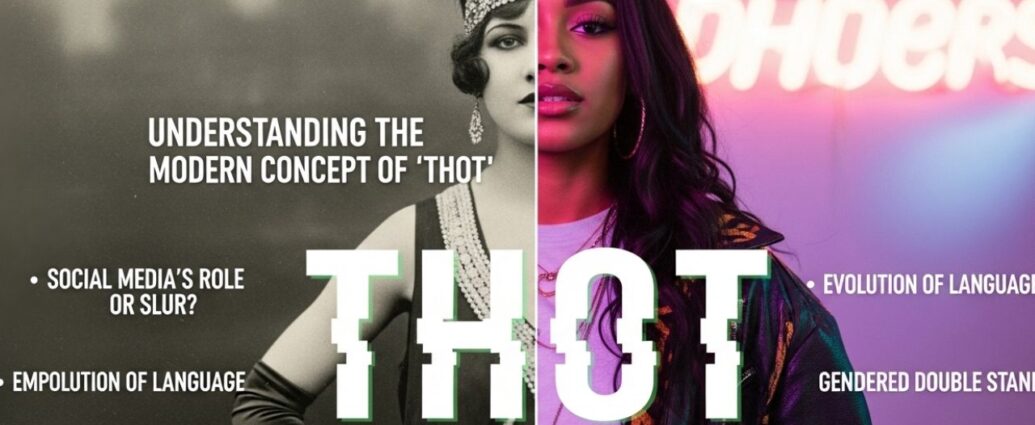
The term “thot” has become a widely recognized slang word in modern vernacular, particularly among younger generations and social media users. While it might sound casual, its usage and meaning are more complex than most realize. The word often sparks debates about respect, gender, and online culture. Understanding the origin, evolution, and cultural implications of “thot” is essential to navigate conversations where this term is used.
What Does “Thot” Mean?
The slang term “thot” is typically used to describe someone, often a woman, perceived as promiscuous or attention-seeking. It has roots in hip-hop culture and social media, gaining widespread attention in the 2010s. Despite its seemingly playful tone in memes and online content, “thot” can carry negative connotations, making it a word that should be used cautiously.
The acronym often cited for “thot” is “That Ho Over There,” though some linguists argue the term evolved naturally from street slang rather than strict acronymic formation. Regardless, its meaning has shifted and diversified, particularly in online spaces where humor, irony, and sarcasm influence interpretation.
The Origin of the Word “Thot”
The origin of “thot” can be traced back to hip-hop music and urban slang. Early uses of the word were found in rap lyrics, social media posts, and meme culture. Around the mid-2010s, artists and internet users popularized “thot”, embedding it in conversations, tweets, and viral videos.
Social media platforms like Instagram, Twitter, and TikTok played a crucial role in spreading “thot” to a broader audience. Memes often exaggerated or humorously criticized behaviors associated with the term, contributing to its viral growth. Today, the word is recognized across multiple generations, though its context can vary depending on who is using it and why.
How “Thot” is Used in Modern Society
Social Media Influence
Social media has amplified the use of “thot”, making it part of everyday online dialogue. Users may call someone a “thot” as a joke, a mild insult, or even a term of self-identification. The word’s versatility has allowed it to appear in memes, TikTok challenges, and viral content. However, the line between playful teasing and offensive labeling can be thin, making sensitivity important.
In Pop Culture
In pop culture, “thot” appears in songs, music videos, and television shows. Hip-hop and rap artists frequently reference the term, sometimes to comment on social behavior or gender dynamics. In mainstream media, the word has occasionally sparked controversy due to its perceived derogatory undertones. Understanding the context in which “thot” is used is crucial for interpreting its intent.
Gender and Social Implications of “Thot”
The term “thot” often intersects with issues of gender and societal expectations. Critics argue that labeling someone a “thot” can reinforce stereotypes and slut-shaming, disproportionately targeting women. Advocates for gender equality emphasize the importance of recognizing the power dynamics embedded in such language.
Conversely, some people reclaim “thot” as a term of empowerment or humor, challenging traditional norms around sexuality and self-expression. This dual nature demonstrates the evolving complexity of modern slang.
The Evolution of “Thot” in Digital Communication
The digital age has transformed how slang like “thot” spreads and evolves. Emojis, GIFs, and hashtags enhance the word’s meaning or tone. For instance, a post labeling someone a “thot” may accompany a laughing emoji, indicating a playful rather than malicious use.
Furthermore, online communities often redefine “thot” based on local trends, memes, or inside jokes. This adaptability makes the term resilient but also challenging to pin down in a single definition.
Tips for Using or Understanding “Thot”
-
Know Your Audience: Using “thot” among friends may be harmless, but public or formal settings require caution.
-
Understand Context: The intent behind the word matters; it could be humorous, ironic, or offensive.
-
Be Mindful of Gender Sensitivity: Avoid using the term in ways that shame or degrade others.
-
Recognize Its Cultural Roots: Appreciating the hip-hop and digital origins of “thot” helps contextualize its usage.
Conclusion
The word “thot” reflects how language evolves in the age of social media, blending humor, irony, and controversy. Its journey from urban slang to viral sensation demonstrates the power of online culture in shaping modern communication. While it may seem casual, “thot” carries layered meanings, social implications, and gendered perceptions that are worth understanding. By examining its origin, usage, and cultural impact, we gain insight into the dynamics of language, identity, and digital expression.