
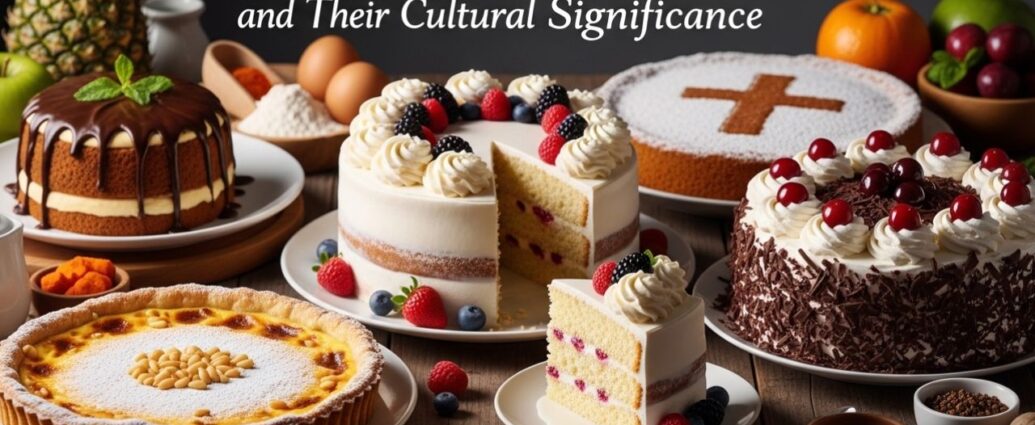
Torta is more than just a dessert; it is a symbol of celebration, tradition, and creativity in kitchens worldwide. Whether it’s a chocolate torta, fruit-filled torta, or a layered sponge cake, this sweet treat carries cultural significance and culinary artistry. From birthday parties to weddings, a torta is often the centerpiece of joyous occasions. Its appeal transcends borders, making it a beloved staple in both home baking and professional patisseries. Understanding torta involves exploring its origins, variations, and the joy it brings to every table.
The Origins of Torta
The word tor ta originates from the Latin “to rta,” meaning round cake. Different regions have adapted the concept to suit local tastes and ingredients. In Italy, torta often refers to layered cakes with creams, fruits, or nuts, while in Latin America, to rta may also describe savory sandwiches, though the sweet variety remains popular in celebrations. Over centuries, tor ta has evolved into a diverse culinary tradition, influenced by cultural exchanges and ingredient availability.
Types of Torta
1. Classic Torta
The classic to rta typically consists of sponge layers filled with cream, chocolate, or fruit preserves. This version is popular for birthdays and weddings, often decorated with icing, fondant, or edible flowers. Its simplicity and elegance make it a universal favorite.
2. Chocolate Torta
Chocolate to rta is a decadent variant that highlights cocoa in every layer. From rich ganache fillings to moist chocolate sponge, this torta appeals to chocolate lovers worldwide. Some modern recipes include dark chocolate, coffee, or hazelnut for added depth.
3. Fruit Torta
Fruit to rtas combine fresh or preserved fruits with light creams or custards. Strawberries, raspberries, and citrus fruits are commonly used, adding freshness and natural sweetness. These tor tas are popular in spring and summer celebrations.
4. Savory Torta
In some cultures, the term tort a also refers to savory cakes or sandwiches. For instance, Mexican tortas are hearty sandwiches filled with meats, cheese, and vegetables. While different from dessert tor tas, they show the culinary versatility of the term.
Cultural Significance of Torta
Celebration and Rituals
Tort a plays a key r ole in celebrations across cultures. In Italy, to rta is central to birthdays and weddings, often decorated to symbolize love, happiness, or success. In Latin America, to rta dulce is served at holidays and family gatherings, emphasizing community and tradition. The act of sharing a torta reinforces social bonds and creates memorable experiences.
Symbol of Creativity
Baking a tor ta allows for artistic expression. Chefs and home bakers alike experiment with flavors, textures, and decorations. Fondant, edible flowers, and unique fillings turn a simple tor ta into an edible masterpiece, making it both a culinary and visual delight.
Making a Perfect Torta
Choosing Ingredients
High-quality ingredients are essential. Fresh eggs, butter, cream, and flour ensure a moist and flavorful torta. For chocolate versions, premium cocoa or chocolate enhances the richness. Fruits should be fresh or properly preserved to maintain flavor and texture.
Layering and Assembly
The key to a successful to rta is proper layering. Each layer should be evenly baked and cooled before assembly. Fillings are added generously, and the cake is carefully stacked to prevent collapsing. Decorating can range from simple powdered sugar dusting to intricate icing designs.
Tips for Beginners
-
Measure ingredients accurately for consistent results.
-
Avoid overmixing to maintain a soft, airy texture.
-
Chill the to rta before slicing to prevent crumbling.
-
Experiment with flavors gradually to build confidence.
Modern Trends in Torta Baking
In recent years, to rta baking has seen innovative trends:
-
Vegan and gluten-free tor tas: Catering to dietary preferences without sacrificing flavor.
-
Fusion flavors: Combining traditional recipes with exotic ingredients, such as matcha or tropical fruits.
-
Minimalist designs: Elegant, simple decoration focusing on flavor rather than intricate patterns.
-
Interactive to rtas: Cakes with surprise fillings, layers of candy, or edible decorations that engage guests.
These trends reflect the evolving culinary landscape and the desire to personalize to rtas for modern tastes.
Conclusion:
To rta is more than a dessert—it is a celebration of culture, creativity, and human connection. From traditional recipes passed down through generations to modern innovations, tortas continue to bring joy to tables worldwide. Baking or sharing a to rta is an act of love, a moment of togetherness, and a symbol of indulgence. Whether sweet or savory, simple or elaborate, t orta embodies the universal language of happiness and celebration, making it a timeless culinary treasure.